



What are the Crucial Initial Setup Factors for Preparing the Soil Before Foundation Plantings Installation?
When planning a new installation of Foundation Plantings, the most common mistake homeowners make is assuming that the existing native soil is ready for planting. A truly successful, long-lasting installation that results in vibrant growth begins underground. Professional foundation plantings installation teams understand that the health and longevity of your landscape depend entirely on the root environment. This meticulous soil preparation is a non-negotiable installation factor that ensures your new plants thrive for decades to come, providing the essential support and healthy root environment they need.
The crucial initial setup factors for soil preparation are a three-part process focusing on identifying deficiencies, correcting nutrient content, and ensuring efficient water management.
The Three Non-Negotiable Steps in Soil Preparation
Our professional approach ensures that the soil at the base of your home is optimized to support the long-term success of your landscape investment.
1. Soil Testing and Analysis
Before any amending takes place, it is vital to know the starting point. Professional teams begin by testing and amending the native soil to ensure optimal drainage and nutrient content. A proper soil test reveals:
- pH Levels: The soil’s acidity or alkalinity, which dictates how easily plants can absorb nutrients. Most landscape plants prefer a slightly acidic to neutral range.
- Nutrient Deficiencies: Reveals specific lacks in essential macronutrients (Nitrogen, Phosphorus, Potassium) and micronutrients.
- Composition: Determines the percentage of sand, silt, and clay. Heavy clay soil, common in many regions, is the number one cause of poor drainage.
The test results guide the exact amendments needed, preventing a costly trial-and-error approach to feeding and watering your new Foundation Plantings.
2. Amending the Soil with Organic Matter
Once the test identifies the needs, the soil is amended to create a balanced, healthy root environment.
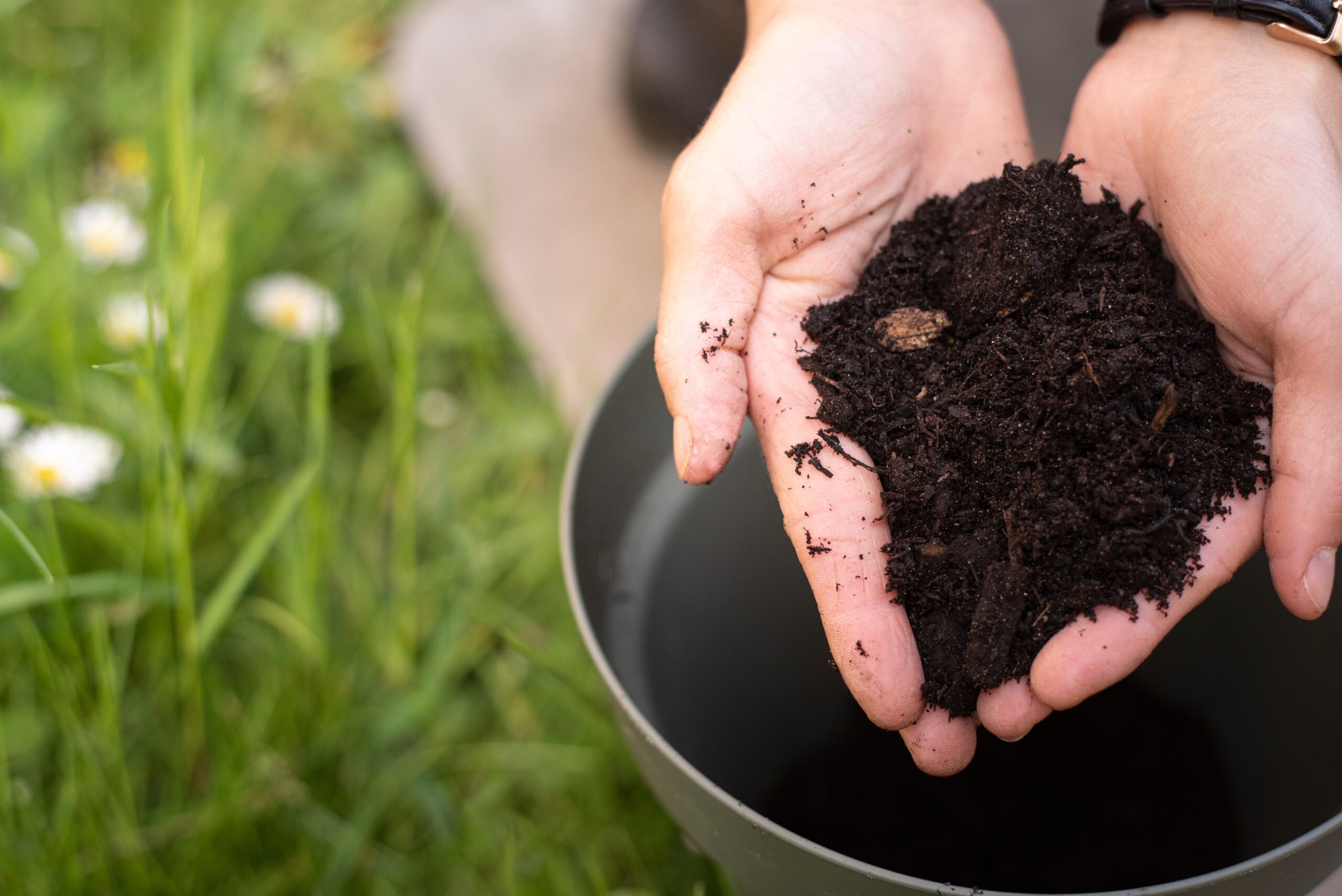
- Incorporating Compost and Organic Matter: Professional foundation plantings installation teams typically incorporate organic matter like compost, shredded leaves, or aged manure deep into the planting beds. Organic matter acts like a sponge and a glue: it holds moisture and nutrients in sandy soil, and it loosens compacted clay soil, dramatically improving drainage and aeration.
- Correcting pH and Nutrients: Based on the soil test, specific mineral or chemical additives are blended in to correct the pH level and provide the necessary nutrient content to support vibrant growth from the initial transplant.
3. Correcting Drainage Near the Home's Base
This step is structurally essential for protecting both the plants and your home. Planting beds that hold standing water will quickly suffocate plant roots and can damage your foundation.
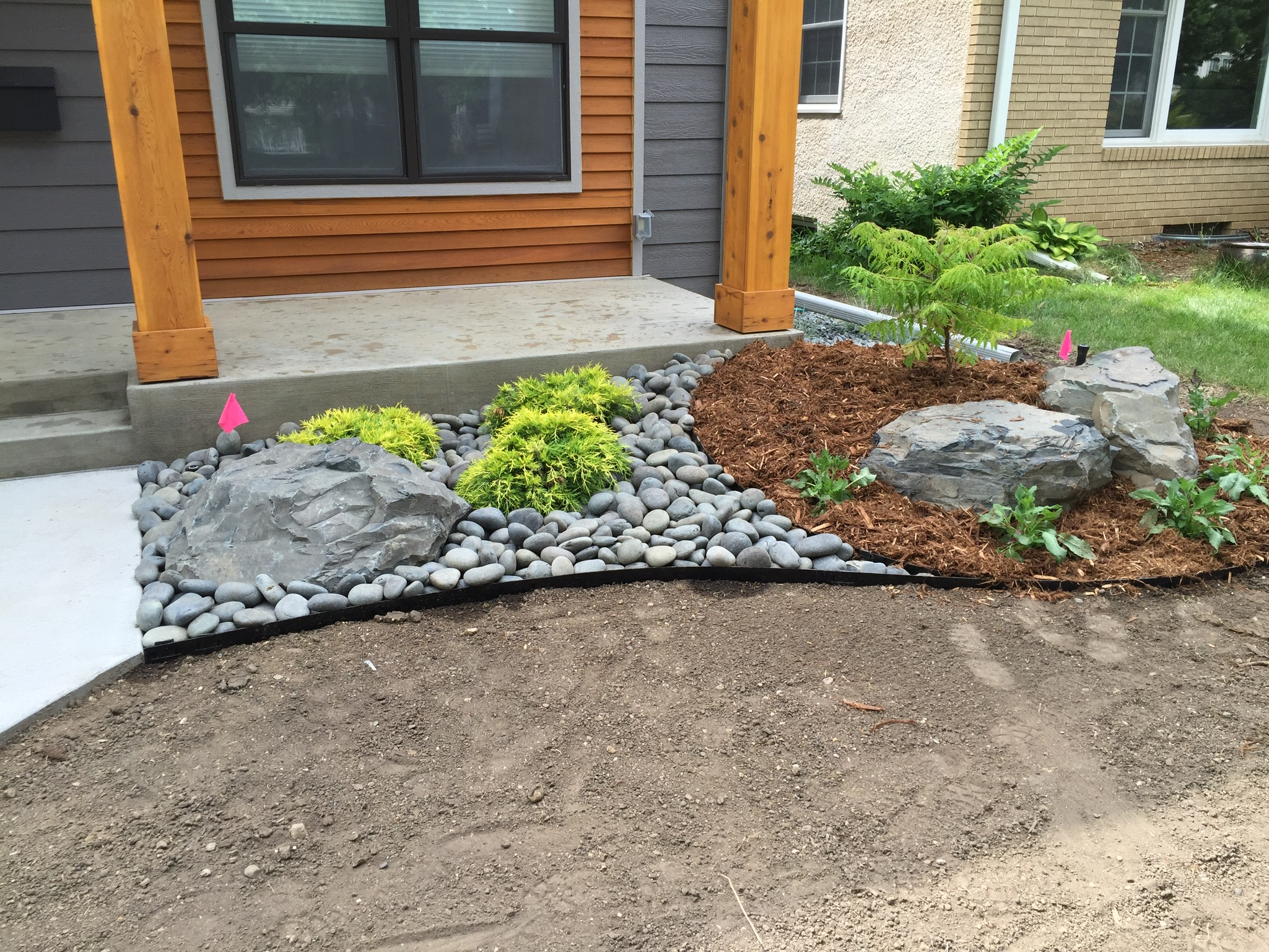
- Fixing Poor Drainage: The installation must correct any poor drainage near the home’s base. This often involves removing excess clay soil and blending in coarse sand and aggregate material to help water filter quickly through the root zone.
- Managing Water Flow: The soil is gently graded to ensure that water slopes away from the foundation. This works in conjunction with a home’s overall Landscape Design and drainage plan, which may include nearby Retaining Walls or Irrigation Services. Proper drainage prevents saturated soil, which is a major factor in structural damage to both the plants and your home’s foundation.
3. Correcting Drainage Near the Home's Base
This step is structurally essential for protecting both the plants and your home. Planting beds that hold standing water will quickly suffocate plant roots and can damage your foundation.
- Fixing Poor Drainage: The installation must correct any poor drainage near the home’s base. This often involves removing excess clay soil and blending in coarse sand and aggregate material to help water filter quickly through the root zone.
- Managing Water Flow: The soil is gently graded to ensure that water slopes away from the foundation. This works in conjunction with a home’s overall Landscape Design and drainage plan, which may include nearby Retaining Walls or Irrigation Services. Proper drainage prevents saturated soil, which is a major factor in structural damage to both the plants and your home’s foundation.
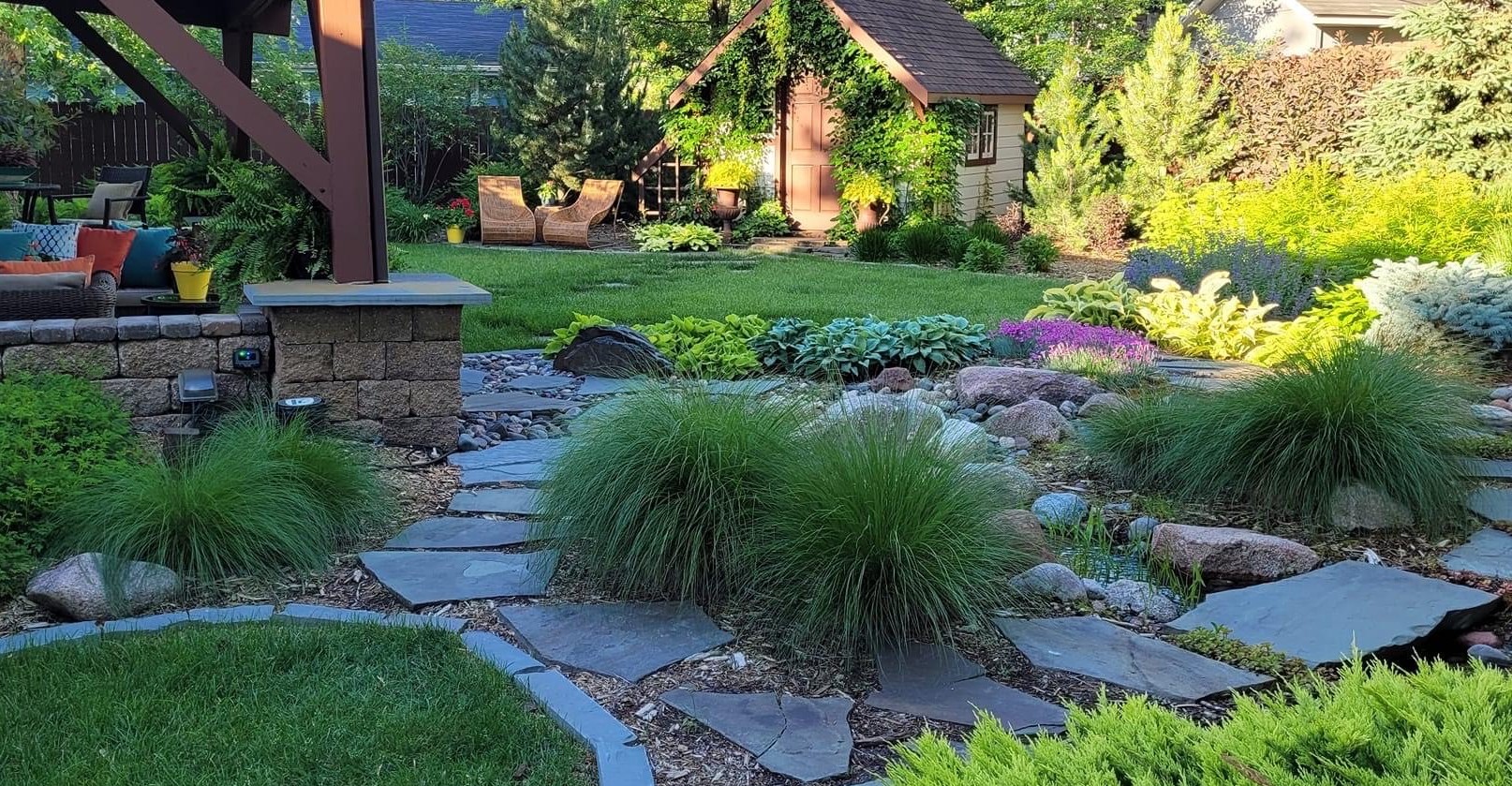
This meticulous preparation of the native soil is the cornerstone of a successful long-lasting installation. By guaranteeing optimal drainage and nutrient content at the base of the home, Villa Landscapes provides the perfect structural and biological environment for your Foundation Plantings to flourish.
Ready to start your custom Foundation Plantings project with professional soil preparation? Contact Villa Landscapes today to schedule your initial consultation.