


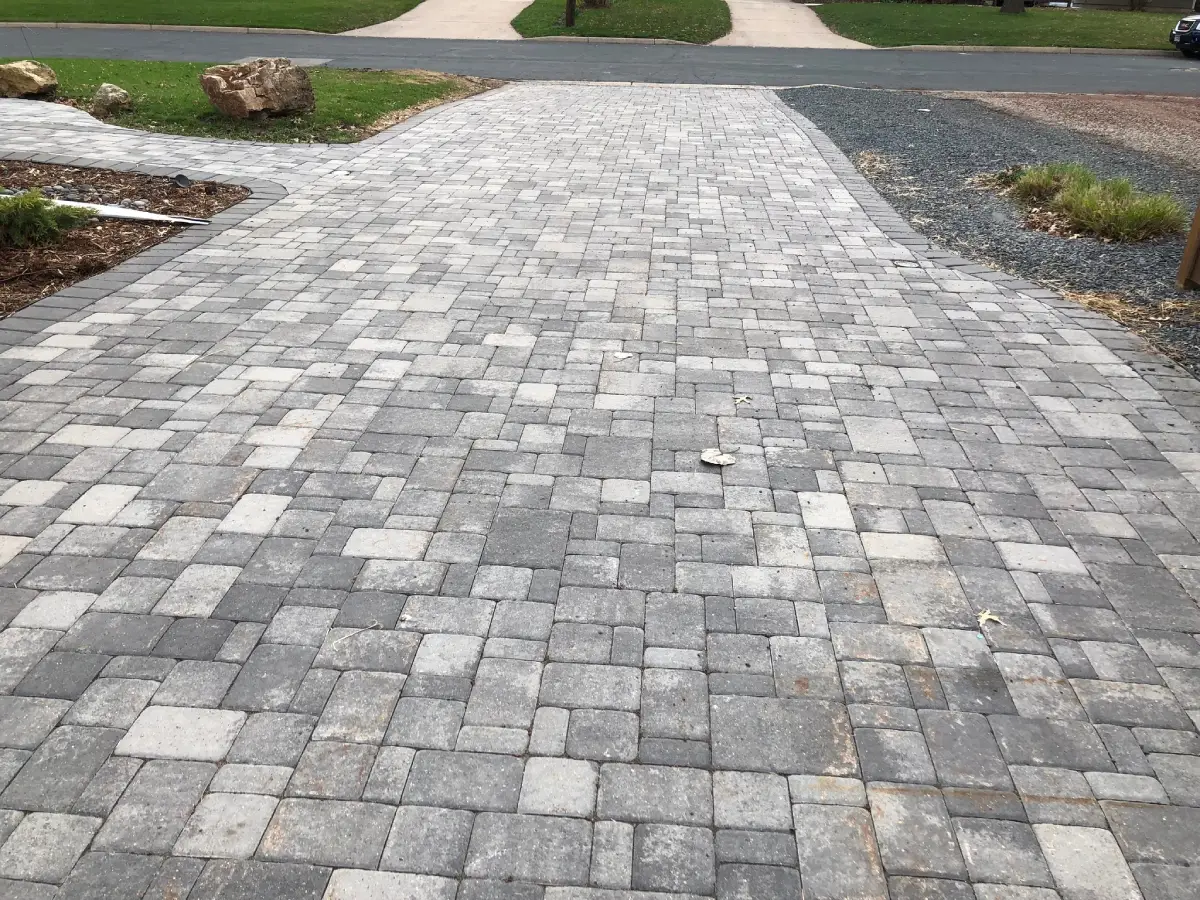
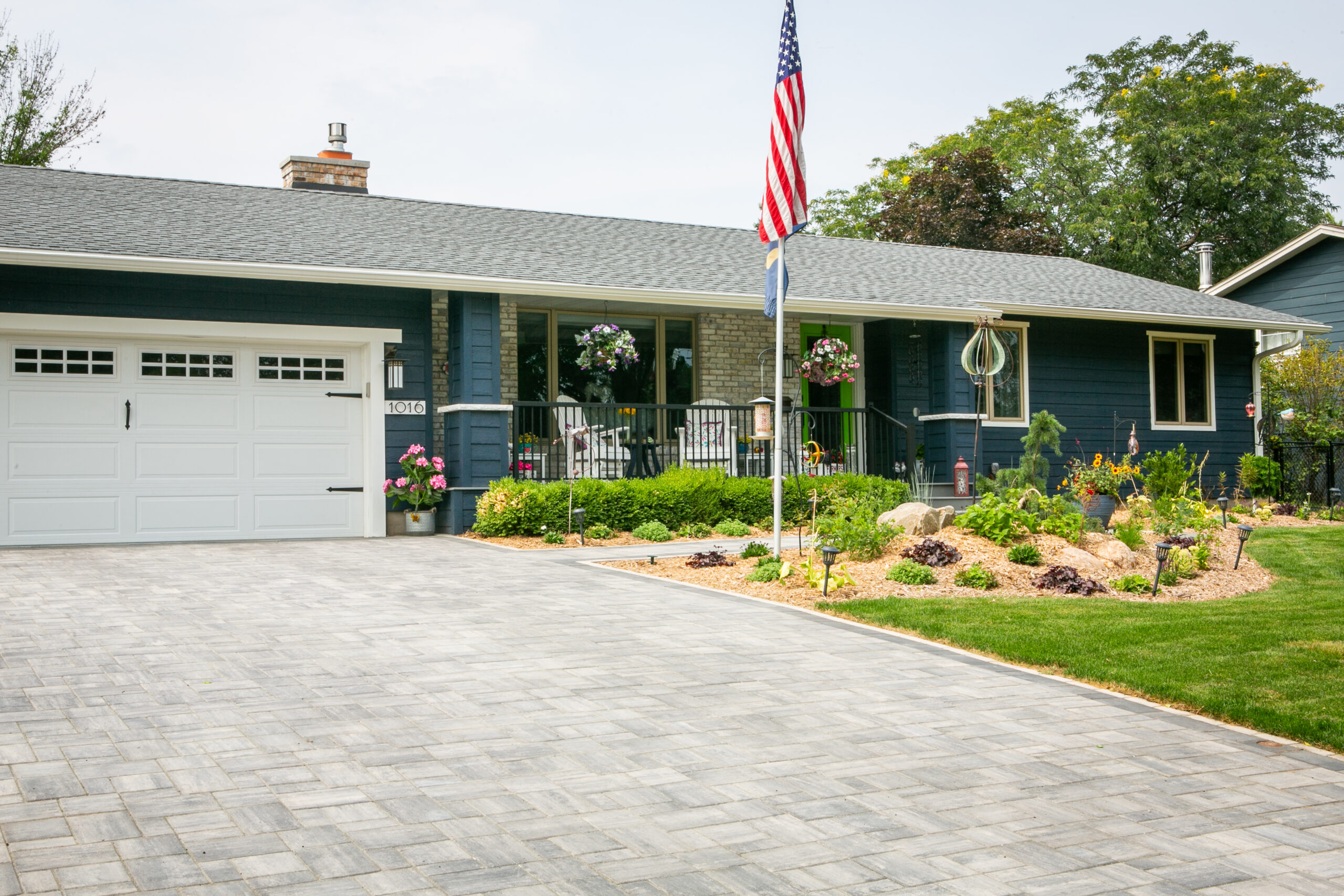
What is the Correct Base Preparation Process for a Paver Driveway Installation to Withstand Heavy Vehicle Traffic?
Your driveway is arguably the hardest-working surface on your property. Unlike a garden path or a simple patio, a Paver Driveway installation must constantly bear and distribute the shifting load of heavy vehicle traffic, withstand daily use, and survive the seasonal freeze-thaw cycles without settling, cracking, or shifting. Because of this extreme stress, the correct base preparation process is not just important—it is a crucial initial setup factor and the absolute, non-negotiable step that guarantees a durable, long-lasting installation.
At Villa Landscapes, we understand that the longevity of your investment relies 100% on what lies beneath the pavers. We implement a rigorous, engineered approach to ensure the sub-base is rock-solid and capable of distributing the load, protecting the structural integrity of your entire outdoor living space.
The Foundational Step: Deep Excavation
The first and most overlooked step in the paver driveway installation is deep excavation. Simply scraping the topsoil is not enough.
- Removal of Organic Material: The excavation must go deep enough—typically 12 to 18 inches—to remove all organic material, including topsoil, roots, and any soft clay layers. Organic material holds too much moisture, which will expand and contract during freezing and thawing, leading to catastrophic failure of the pavement surface.
- Achieving a Stable Sub-Grade: The remaining soil layer (the sub-grade) must be firm and proof-rolled to check for soft spots. Any unstable areas must be remedied by replacing poor material with new, dense aggregate. This creates a uniform, stable foundation for the structural layers above it.
- Drainage Grading: Even at this foundational layer, the ground must be graded to pitch slightly away from the home’s foundation, ensuring proper drainage is maintained from the sub-grade up.

The Structural Core: Placement and Compaction of Aggregate Sub-Base
The structural core of the driveway is the aggregate sub-base—a thick layer of dense, crushed stone. This layer is what actually handles and disperses the weight of heavy vehicle traffic.
- Material Selection: Professionals use a high-quality, angular, and self-binding granular aggregate (crushed stone). This material is chosen specifically because its sharp edges mechanically lock together under pressure, creating a high-density, rigid slab.
- Layered Installation (Multiple Lifts): To achieve maximum density, the sub-base is installed in multiple lifts (layers) of no more than four to six inches at a time. Trying to compact a layer deeper than six inches is ineffective, leaving loose material at the bottom.
- Meticulous Compaction: Each individual lift is meticulously compacted using a heavy-duty, commercial-grade plate compactor. This process expels air pockets and ensures the aggregate is jammed together to form a near-concrete density. For a driveway—unlike a lighter-use Paver Patios & Walkways—achieving this maximum density is essential for distributing the load and preventing rutting or settling in the paver driveway.
The Structural Core: Placement and Compaction of Aggregate Sub-Base
The structural core of the driveway is the aggregate sub-base—a thick layer of dense, crushed stone. This layer is what actually handles and disperses the weight of heavy vehicle traffic.
- Material Selection: Professionals use a high-quality, angular, and self-binding granular aggregate (crushed stone). This material is chosen specifically because its sharp edges mechanically lock together under pressure, creating a high-density, rigid slab.
- Layered Installation (Multiple Lifts): To achieve maximum density, the sub-base is installed in multiple lifts (layers) of no more than four to six inches at a time. Trying to compact a layer deeper than six inches is ineffective, leaving loose material at the bottom.
- Meticulous Compaction: Each individual lift is meticulously compacted using a heavy-duty, commercial-grade plate compactor. This process expels air pockets and ensures the aggregate is jammed together to form a near-concrete density. For a driveway—unlike a lighter-use Paver Patios & Walkways—achieving this maximum density is essential for distributing the load and preventing rutting or settling in the paver driveway.

The Final Lock-Down
The final elements of the installation process are what stabilize the paver system and complete the long-lasting installation.
- Edge Restraints: Rigid Paver Edge Restraints are installed around the entire perimeter and anchored deep into the compacted aggregate. This prevents the pavers from shifting laterally under the stress of tires turning and stopping.
- Bedding Layer: A uniform, screened layer of coarse sand is placed over the sub-base, creating the perfectly level surface for the paving stones themselves.
- Joint Material: High-quality polymeric sand is swept and cured into the paver joints, which creates a durable, semi-rigid bond that locks the stones together and prevents weed growth.
By adhering to this strict, deep excavation and meticulous compaction protocol, Villa Landscapes guarantees a paver driveway foundation that can confidently withstand heavy vehicle traffic and resist the forces that cause failure, providing a stable, beautiful, and truly long-lasting installation for your home.
Ready to invest in a custom paver driveway installation with a guaranteed properly engineered base?
Contact Villa Landscapes today to schedule your initial consultation.