


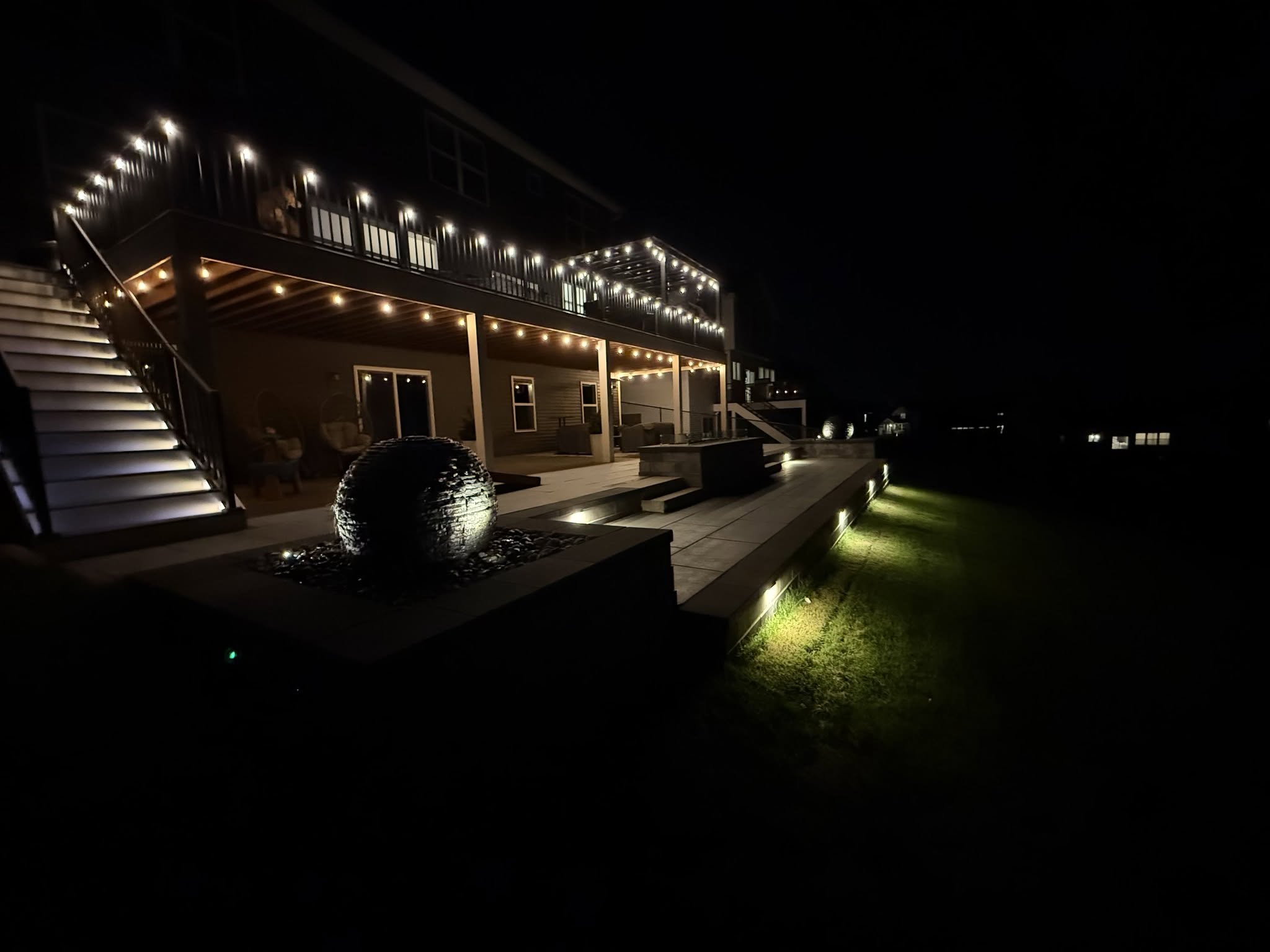
What is the Best Method for Concealing Wiring During a Professional Landscape Lighting Installation to Protect It from Damage?
A professionally installed low-voltage landscape lighting installation is one of the quickest ways to elevate your home’s curb appeal and security, extending the use of your outdoor living space well into the evening. However, the system’s longevity relies entirely on one vital, often-overlooked detail: the concealment and protection of the landscape lighting wiring. Exposed or improperly buried cables are susceptible to a host of risks, from environmental damage to accidental severing, which leads to costly service issues.
The best method for concealing landscape lighting wiring is by trenching all main-run cables approximately six to twelve inches deep beneath the soil or mulch layer. This crucial installation process factor is the gold standard for long-lasting installation and protection, ensuring the system remains functional and pristine for years to come.

The Primary Threats to Exposed Wiring
Understanding the two main threats to low-voltage lines highlights why proper wire depth is a non-negotiable step in the initial setup:
- Accidental Cuts from Lawn Maintenance Equipment: Lawn mowers, edgers, aerators, and shovels are the most common culprits for severing shallowly buried low-voltage lines. A simple cut can take the entire system offline and lead to a difficult, expensive troubleshooting process.
- UV Degradation and Environmental Damage: Continuous exposure to the sun’s UV rays can slowly break down the protective insulation of the landscape lighting wiring, making the internal copper core brittle and susceptible to corrosion. Freezing and thawing cycles also put stress on wires near the surface, shortening the system’s life.
The Professional Trenching Technique
A professional installation crew meticulously executes the trenching process to maximize protection while minimizing disturbance to your existing landscape design. The goal is to bury the main-run cables deep enough to be safe, yet shallow enough to remain accessible for major service if ever required.

Key steps in the proper wire depth technique include:
- Establishing Wire Depth: Main cables are buried approximately six to twelve inches deep. This depth provides a substantial buffer zone against accidental cuts from routine lawn maintenance equipment like aerators or edgers.
- Strategic Placement: Wherever possible, cables should run through flower beds or beneath shrubbery rather than directly across open lawn space.
- Running Under Hardscape: When wiring must cross hard surfaces, cables are often routed underneath a Paver Patios & Walkways or other hardscapes during the installation process of those features. This secures the wire beneath a permanent structure, ensuring maximum protection.
- Using Conduit in High-Risk Areas: In areas where the wiring crosses tree roots, passes beneath driveways, or runs near future excavation zones, the low-voltage lines are run through rigid PVC conduit. This provides an additional layer of mechanical protection against crushing or puncture damage, safeguarding your long-lasting installation.
By adhering to a professional trenching method, the landscape lighting installation achieves a clean, long-lasting installation that resists both UV damage and the daily hazards of yard maintenance, preventing the most common service issues and preserving the functionality of your beautiful nightscape.
Ready to illuminate your home’s exterior with a professional Landscape Lighting plan that’s built for durability?
Contact Villa Landscapes today to schedule your initial consultation.