


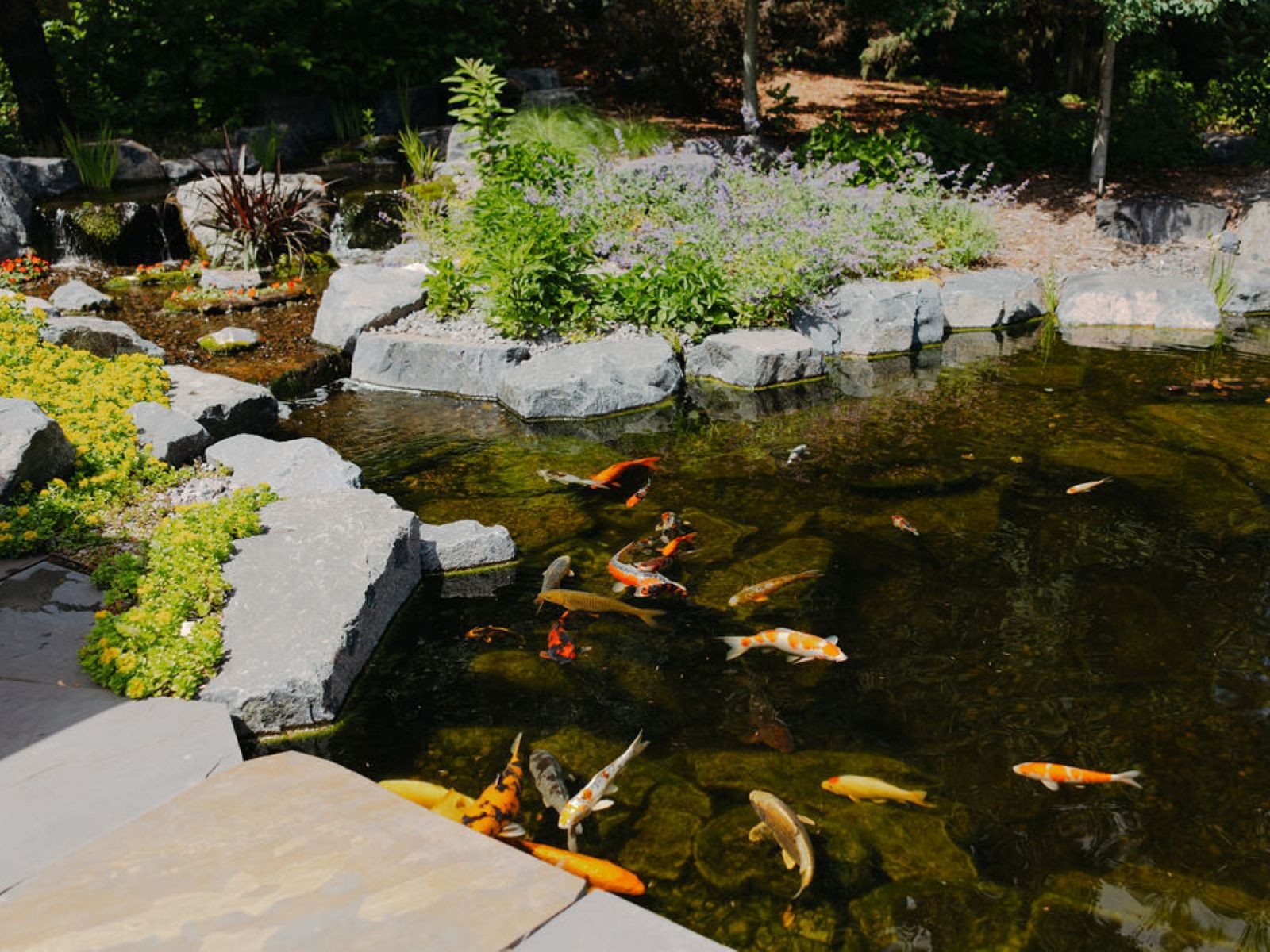
How Do You Correctly Size the Biological and Mechanical Filtration for a New Water Features Project to Guarantee Clear Water?
A tranquil, clear, and healthy water feature installation is the focal point of a stunning outdoor living space. However, the key to pristine water is not luck—it’s precision engineering. The single most important decision during the initial setup of any water feature is the proper filtration system sizing. To guarantee clear water for your investment, the filtration system must be sized for at least 125% of your pond’s volume. This critical installation factor ensures that your system has the capacity to handle not only the day-to-day debris but also peak load periods, establishing the necessary biological balance that keeps your pond healthy and beautiful.
For a truly successful and long-lasting installation, the filtration system must perform two distinct, yet complementary, functions: mechanical cleaning and biological purification.

Understanding the Dual Role of Filtration
Achieving water clarity requires a two-pronged defense against waste and debris. A professional design separates the filtration into mechanical and biological components, each serving a unique, essential role:
- Mechanical Filtration (The Debris Collector): This is the first line of defense. The mechanical skimmer system physically removes large and small solid debris before they have a chance to sink and decompose.
- It pulls in floating waste like leaves, pollen, and uneaten fish food from the water’s surface.
- It protects the pump by preventing large debris from clogging or damaging the impeller.
- It often houses the pond’s circulating pump, keeping it concealed and easily accessible for maintenance.
- Biological Filtration (The Water Purifier): This is the system’s vital engine. The biological filter converts invisible, toxic chemical compounds into harmless, non-toxic substances.
- It provides a massive, high-surface-area home for beneficial nitrifying bacteria.
- These bacteria consume fish waste (ammonia) and organic byproducts (nitrites), converting them into safe compounds (nitrates).
- A healthy biological filter is the only way to maintain the biological balance necessary for a clear pond.

The 125% Rule: Why Oversizing is Essential
The industry standard requires the filtration system to be sized for at least 125% of your pond’s volume—and often more, depending on the number of fish. This practice is essential because the true operational load of a pond is always greater than its actual volume.
- Handling Peak Debris Load: Oversizing allows the system to function efficiently even during times of high stress, such as spring runoff, heavy leaf-fall in autumn, or after adding new aquatic life.
- Supporting Fish Load: If your pond contains fish like koi, their waste production rapidly increases the biological load. A larger filter and pump can process the higher volume of ammonia and nitrates produced by a well-stocked pond.
- Maintaining Flow Rate: Oversized filters and pumps ensure that the entire volume of your pond’s water is circulated and processed several times per hour, which is necessary to maintain a healthy oxygen level and ensure rapid removal of waste.
For a long-lasting installation of a serene, crystal-clear Water Features system, this proper filtration system sizing is non-negotiable. It is the core engineering decision that guarantees you can enjoy the beauty of your fish and water garden without the frustration of perpetually cloudy water. Partnering with a professional Landscape Design and installation team ensures this critical initial setup factor is met to the highest standards
Ready to start your water features installation with a guaranteed professional filtration system?
Contact Villa Landscapes today to schedule your initial consultation.